Making a website accessible is the right thing to do for disabled users. It also pays. For more than two decades, organisations that have invested in accessibility have seen the return in three places: more customers, lower running costs and more search traffic.
Here are the examples behind each one.
Who accessibility is for
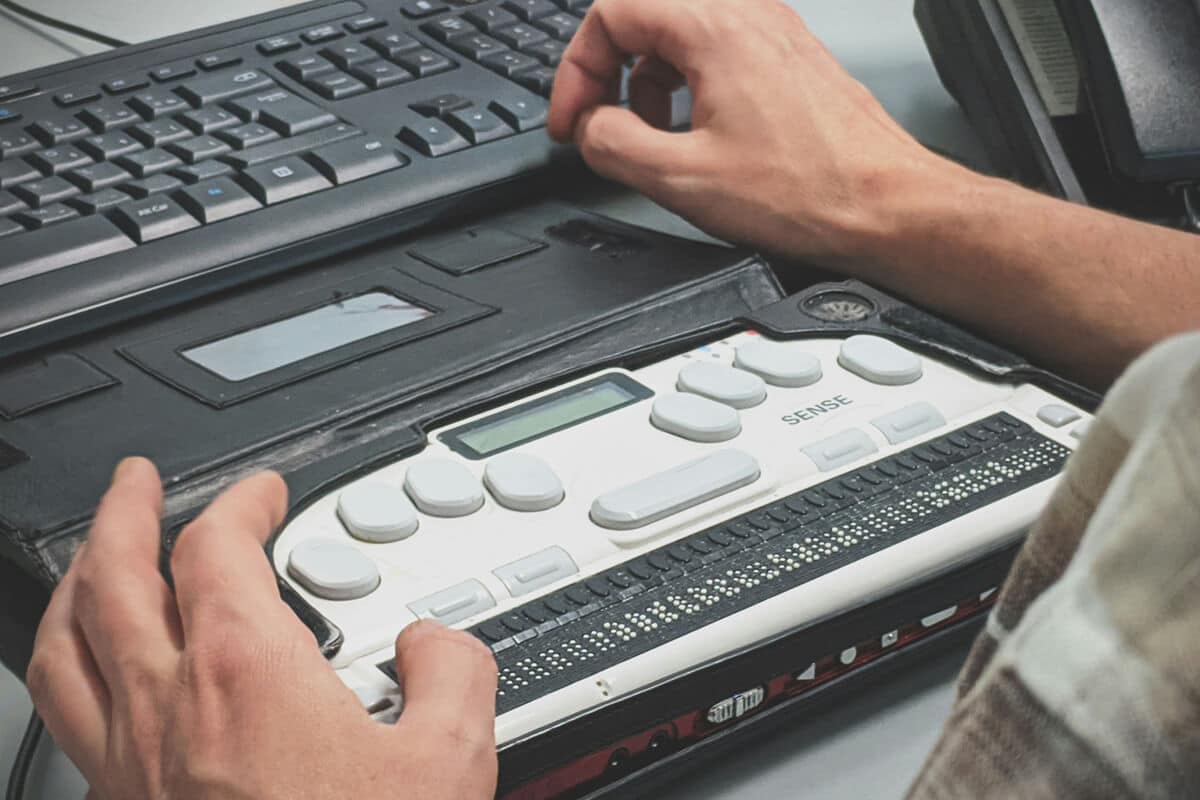
Web accessibility means building sites that everyone can use, including people who are blind or partially sighted, deaf or hard of hearing, or who have limited movement or a cognitive impairment such as dyslexia. But it helps far more people than that.
Just as a dropped kerb doesn’t only help wheelchair users, the same applies in the digital sphere. Older people with changing abilities, someone with a broken arm, and anyone reading their phone in bright sunlight or where they can’t have the sound on all benefit too. Designing for that wider audience is where the business benefits start.
1. More people can buy from you

When a site works for disabled users, it usually works better for everyone else too.
Tesco showed this early. In 2001 it built an accessible version of its online grocery store, tested with blind and partially sighted users recruited through the RNIB. It cost about £35,000. Within a few years it was taking around £13 million a year, and Tesco’s chief executive noted that many fully sighted customers preferred it because it was simpler to use.
The opportunity hasn’t gone away. The UK’s Click-Away Pound survey found that 69% of disabled online shoppers leave sites they find difficult to use. That’s 4.9 million people with £17.1 billion to spend, around a tenth of all UK online spending.
Accessibility was paying off before smartphones and social media, so the benefits clearly aren’t a passing trend.
2. Your site costs less to run
Accessible sites tend to be built on clean, well-structured code, and that makes them easier and cheaper to look after.
Legal & General found this when it rebuilt its website around accessibility in the mid-2000s, prompted by complaints from disabled customers. The new site cut maintenance costs by two thirds. Routine content updates that had taken five days dropped to half a day, saving around £200,000 a year.
The new site also nearly doubled the number of visitors getting quotes and buying online. Taken together, the rebuild paid for itself within 12 months.
3. Search engines find you more easily
- Legal & General saw search traffic rise 25% within a day of relaunching, eventually reaching 50%.
- CNET, the tech news site, saw a 30% rise in traffic from Google after it started publishing transcripts.
- This American Life, the US radio show, transcribed its whole archive in 2011. Visitors arriving from search rose 6.68%, and the transcript pages attracted 405 links from other websites.
Twenty-five years of evidence
Some of these examples go back to the early 2000s, and that’s a strength. Accessibility was paying off before smartphones and social media, so the benefits clearly aren’t a passing trend. Legal & General’s accessible rebuild even worked on mobile devices, long before mobile-friendly sites were the norm.
The case has only grown since. More of everyday life now happens online. And since 2018, UK public sector bodies, including universities, have had a legal duty to make their websites accessible. They’re now monitored against the latest standard, WCAG 2.2 AA.
Build it in from the start
The biggest return comes from building accessibility in, not adding it later. In 2014, Barclays estimated it would cost around £300,000 to fix the known accessibility problems in its mobile banking app. Instead, it built accessibility into the app’s redesign for £30,000, a tenth of that estimate. The new app was easier for everyone to use, and its App Store rating rose from 2 to 4.5 stars.
Indeed, a 2016 Forrester study commissioned by Microsoft, cited in W3C’s business case for accessibility, found that accessibility can contribute to cost savings when it’s built into existing development cycles.
If you’re planning a new website or a redesign, that’s the moment to make accessibility part of the brief.
The figures do add up. There are plenty of inflated accessibility statistics online, and the real evidence doesn’t need them.